3 Jul 2026
Altitude Adjustments: How High-Elevation Venues Alter Soccer Player Stamina and Goal Line Expectations
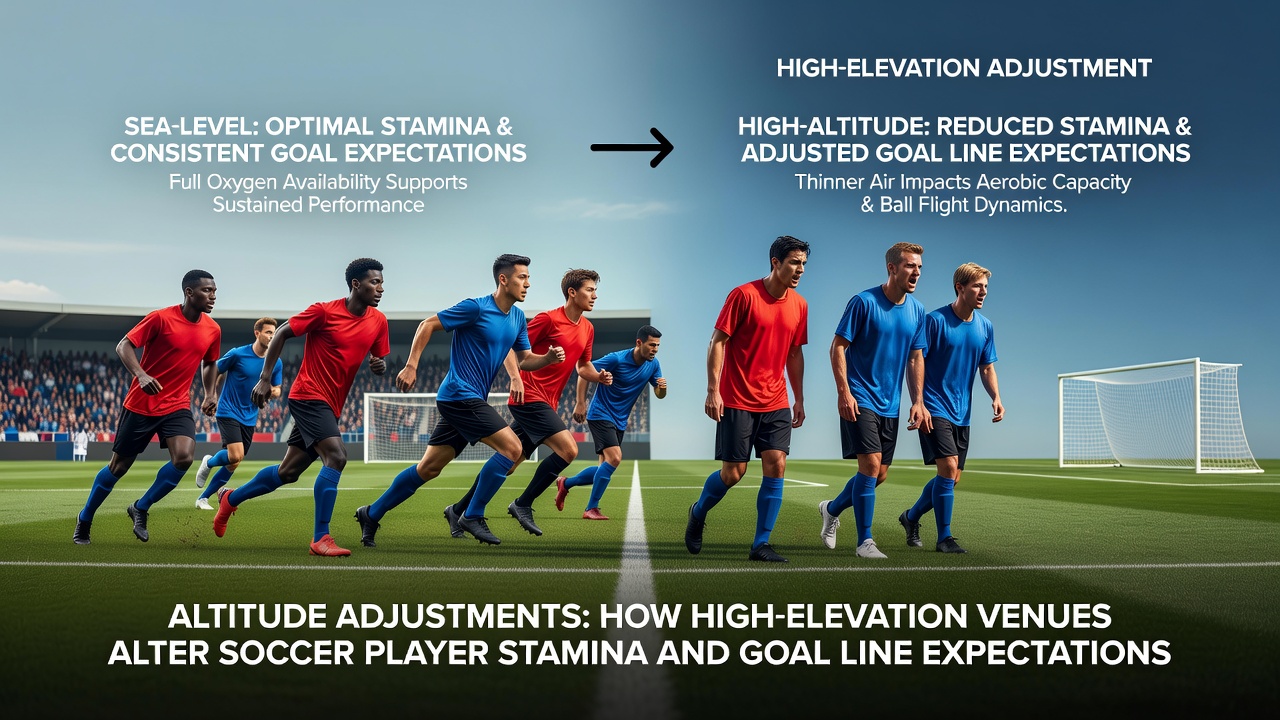 High-elevation soccer venues create measurable shifts in player physiology that reshape both stamina patterns and goal-scoring probabilities. Venues such as Estadio Hernando Siles in La Paz at roughly 3,600 meters and Estadio Azteca in Mexico City at 2,240 meters feature reduced oxygen availability that forces immediate adaptations in breathing rate, heart output, and energy production. Data from multiple international matches indicates these conditions compress effective playing time as fatigue accumulates faster than at sea level.
Physiological Responses to Reduced Oxygen
Players experience an immediate drop in arterial oxygen saturation when they step onto high-altitude pitches, prompting the body to increase ventilation and cardiac output within minutes. Studies conducted by researchers at the University of Colorado School of Medicine document that hemoglobin saturation can fall below 90 percent at 2,500 meters, limiting aerobic capacity and accelerating lactate accumulation during repeated high-intensity efforts. Teams arriving from lower elevations typically require several days of acclimatization before match fitness returns to baseline levels, although full adaptation remains incomplete even after a week.
The same physiological strain affects decision-making speed and technical execution because cerebral oxygenation declines alongside muscle performance. Observers note that passing accuracy and first-touch control degrade progressively after the 60-minute mark in many recorded fixtures at these sites, creating windows where defensive structures loosen and transitional play increases.
Stamina Patterns Across Match Phases
High-altitude conditions compress the duration teams can sustain pressing intensity and high defensive lines. Match-tracking data from CONMEBOL qualifiers shows visiting sides cover 8 to 12 percent less high-speed distance in the final 30 minutes compared with their sea-level averages. Home teams that train regularly at elevation maintain more consistent work rates, yet even they exhibit measurable drops in sprint frequency after the 75th minute. This pattern produces a characteristic second-half profile where games open up because both sides struggle to close space at the same tempo maintained earlier.
Substitute usage follows predictable rhythms at these venues. Coaches introduce fresh legs earlier than usual, often around the 55th minute, to counteract the compounding effects of hypoxia. Figures from FIFA technical reports on altitude matches reveal that the average number of substitutions rises by nearly one per team when elevation exceeds 2,000 meters.
Impact on Goal Expectations and Line Movement
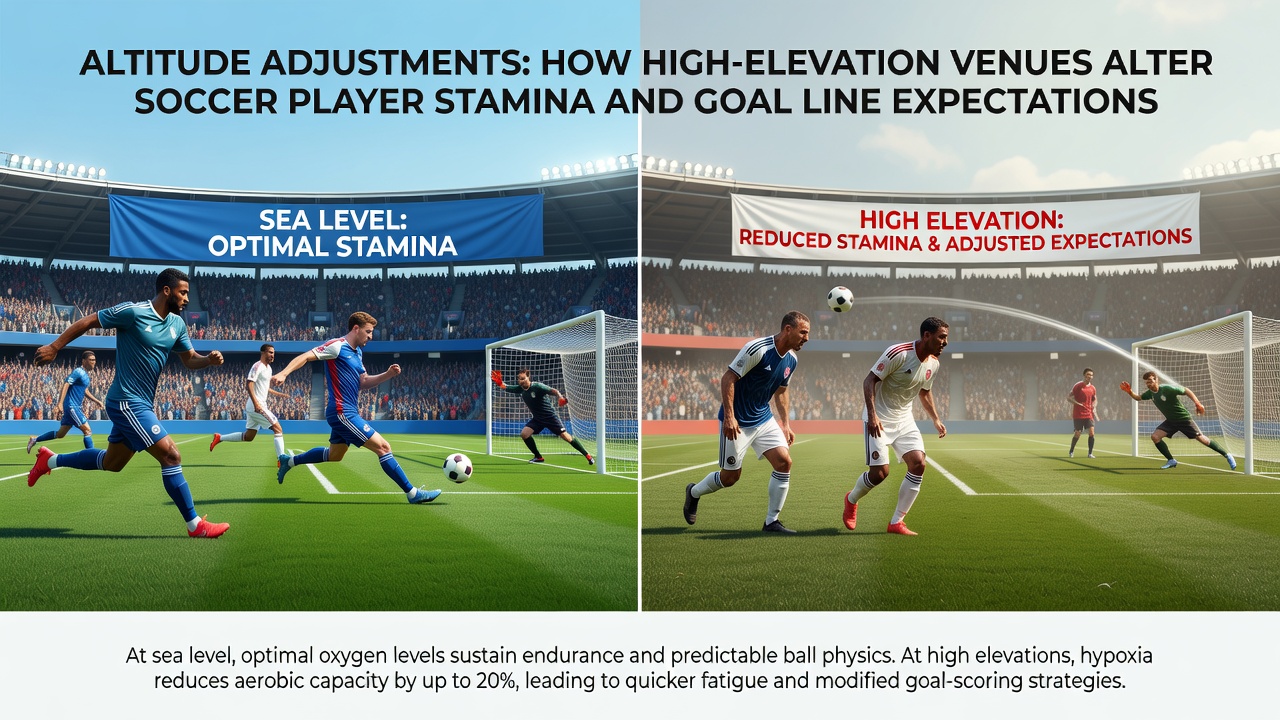
Goal-line expectations shift because fatigue alters both attacking penetration and defensive organization. Lower stamina reduces the precision of final-third actions, yet it simultaneously weakens organized pressing and recovery runs, allowing more space behind defensive lines. Historical match aggregates from Bolivia’s national team home fixtures indicate an average of 3.1 goals per game, compared with 2.4 goals in their away fixtures at lower elevations. Similar patterns appear in MLS data from Colorado Rapids home matches, where total goals trend higher in the second half once visiting players have accumulated sufficient hypoxic stress.
Betting markets adjust totals and handicap lines accordingly, although sharp bettors examine travel schedules and acclimatization windows rather than elevation alone. When visiting squads arrive with less than 72 hours at altitude, the probability of late concessions rises measurably. In contrast, teams given a full week of preparation show smaller deviations from their typical scoring rates.
World Cup 2026 Preparations and Venue Considerations
Preparations for the 2026 FIFA World Cup have drawn fresh attention to Mexico City’s Estadio Azteca, scheduled to host multiple matches including knockout-stage fixtures. National federations have already begun altitude-specific training camps, and medical staff are studying individualized hydration and carbohydrate strategies to mitigate performance drops. July 2026 coincides with the tournament’s group stage in the region, meaning several squads will confront these conditions under tournament pressure rather than in isolated friendlies.
Research from the Australian Institute of Sport on repeated altitude exposure suggests that players who cycle through short camps at moderate elevation before the event retain better repeated-sprint ability than those who arrive directly from sea level. These protocols are now integrated into many confederation preparation plans.
Case Examples from Recent Seasons
One documented instance involved a South American qualifier where the visiting side substituted their central midfielders at halftime after tracking data showed a 15 percent decline in distance covered. The home team capitalized with two goals in the opening 15 minutes of the second half. Another example from the 2025 MLS season showed Colorado Rapids conceding only once in the first half across five home matches but allowing multiple second-half strikes once opposing defenses fatigued.
These patterns do not guarantee outcomes, yet they supply measurable edges when combined with travel logs, recent form at elevation, and squad rotation history. Analysts continue to refine models that incorporate oxygen saturation estimates alongside traditional xG metrics to refine goal-line forecasts for these specific venues.
Conclusion
High-elevation venues impose consistent physiological constraints that alter stamina distribution and, by extension, goal probabilities. Teams and analysts who track acclimatization time, substitution timing, and second-half distance metrics gain clearer pictures of how matches are likely to unfold. As the 2026 World Cup approaches, these adjustments will move from niche observations to mainstream preparation factors across multiple confederations.