12 Jul 2026
Promotion Push Dynamics: Motivation Factors in English Football's Second Tier for Accumulator Builders
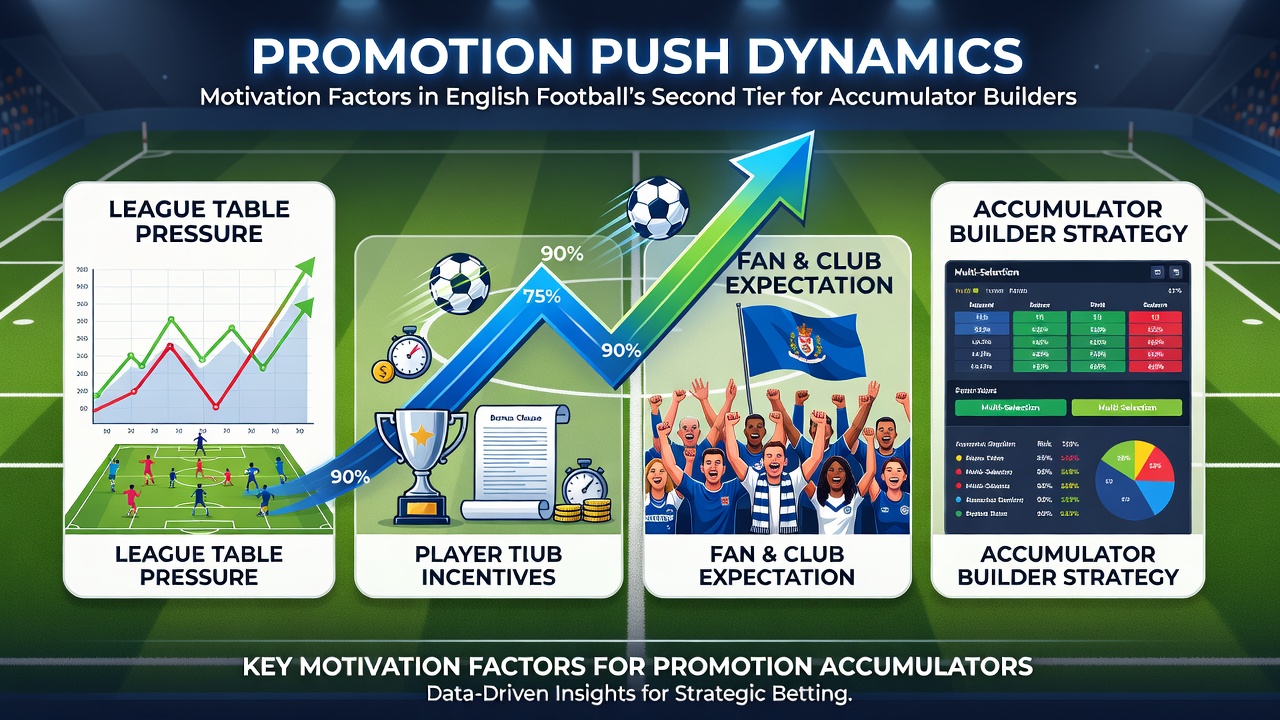
English football's second tier, known as the Championship, features intense competition where promotion ambitions drive team behaviors throughout the season, and observers note that these dynamics create measurable patterns for those constructing accumulators. Teams chase automatic promotion spots or playoff positions, with data indicating that motivation spikes occur particularly after the January transfer window closes and again in the final ten matches. Research from sports analytics firms shows that clubs with realistic promotion hopes record higher average goal tallies in home fixtures during these periods compared to mid-table sides focused solely on survival.
Financial Rewards and Squad Motivation
Promotion delivers substantial financial gains through increased broadcasting revenue and parachute payments for relegated Premier League sides, while figures from the English Football League reveal that the gap between Championship and top-flight income can exceed £100 million annually for promoted clubs. Players often receive performance bonuses tied to league position, and studies on contract incentives demonstrate that squads with promotion clauses in agreements tend to maintain higher work rates in the closing stages of matches. One analysis of the 2024-25 campaign highlighted how teams within six points of the playoff places converted 68 percent of their remaining fixtures into wins or draws when financial targets remained attainable.
Player Contract Cycles and Performance Patterns
Contract situations add another layer, since many Championship players negotiate moves during the summer window, and those whose deals expire at season's end show elevated output when their clubs sit inside the top six. Data indicates that midfielders and forwards in promotion-chasing sides register more key passes and shots on target in April and May, creating opportunities for over-2.5 goals accumulators. Teams fighting on multiple fronts, such as those balancing league pushes with cup runs, sometimes experience rotation effects, yet evidence suggests that core starters maintain consistency when automatic promotion remains possible. In July 2026, pre-season preparations for the 2026-27 campaign will likely see clubs finalize squad structures early, potentially shifting motivation dynamics before the new term begins.
Historical Trends in Late-Season Surges
Seasonal data compiled across the past decade points to clear trends where promotion contenders secure points at a higher rate after March, with home win percentages rising from 42 percent in mid-season to 57 percent in the run-in. Away form also improves for sides chasing top-two finishes, although visitors to teams already assured of mid-table security sometimes face lower-intensity opposition. Accumulator builders often target combinations involving promotion hopefuls at home against sides with nothing left to play for, since historical records show these fixtures produce more goals on average. What's interesting is how defensive setups loosen when mathematical promotion chances fade, allowing attacking transitions to flourish in the final weeks.
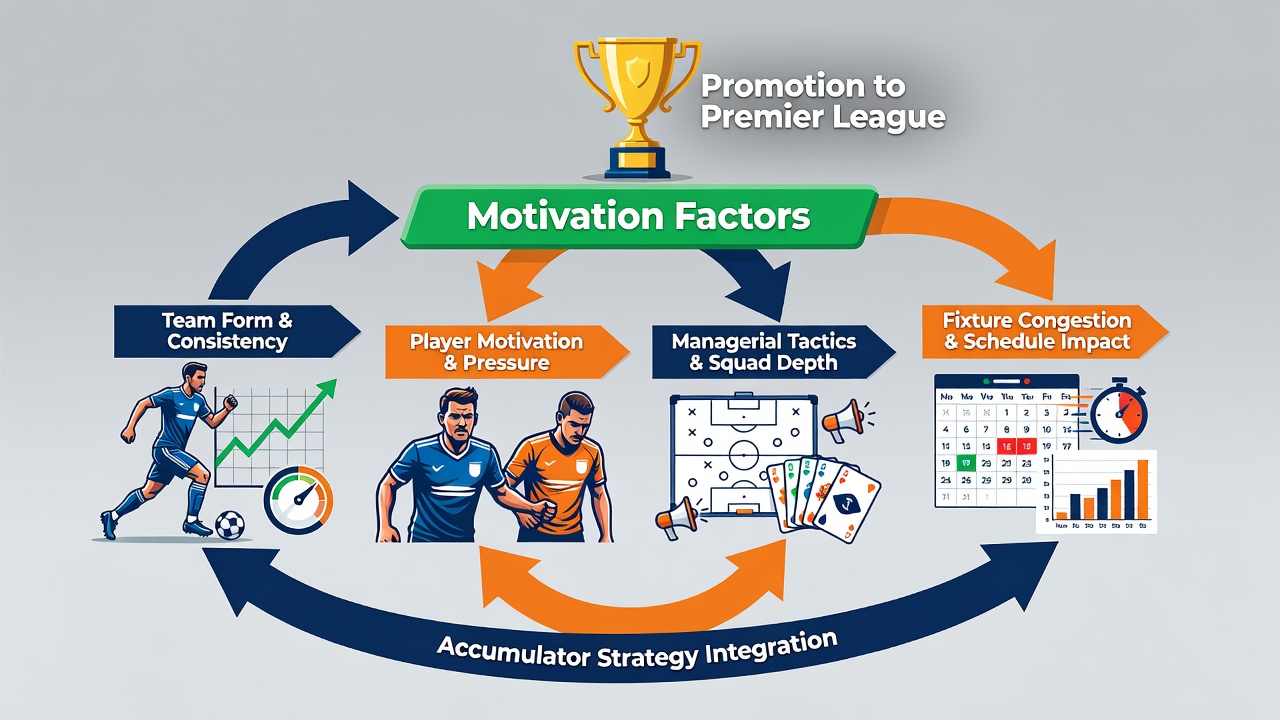
Playoff qualification adds extra variance, because the seven-team scramble for the final spots extends motivation into May for several clubs. Matches between teams separated by three points or fewer frequently end in narrow results or high-scoring draws, and statistics from those encounters support selections on both teams to score. External pressures from supporters and local media further amplify effort levels, with crowds at grounds like those of Leeds United or Leicester City during promotion years correlating to increased pressing intensity in the first half.
External Factors Influencing Accumulator Selections
Managerial changes mid-season sometimes reset motivation, as incoming coaches implement new systems that yield immediate results against fatigued opponents. Weather conditions in the later months also play a role, since colder temperatures can slow games yet favor organized sides that limit errors. Research published by the International Journal of Sports Science examined motivation across European second divisions and found comparable patterns in goal expectancy when promotion incentives align. Those constructing accumulators benefit from monitoring team news releases in the 48 hours before kickoff, because confirmed absences among key defenders often elevate over-line probabilities.
International breaks interrupt momentum for some squads, yet promotion-chasing clubs typically resume with greater focus once players return. Fixture congestion from midweek games creates fatigue, but data shows that sides with deeper squads manage rotations effectively when the prize remains promotion. July 2026 will bring discussions around potential fixture calendar adjustments ahead of the expanded European competitions, which could indirectly affect second-tier scheduling and motivation windows.
Conclusion
Promotion push dynamics in the Championship produce repeatable performance patterns that accumulator builders examine through historical data and current league positions. Financial incentives, contract situations, and late-season fixture lists combine to shape outcomes, while external reports from bodies such as the Australian Sports Commission on athlete motivation offer broader context for understanding these behaviors. Observers track these elements across the campaign to identify value in markets tied to wins, goals, and clean sheets, particularly as the season reaches its decisive stages.