Tiebreak Turnarounds: Profitable Betting Angles in Tennis Grand Slams
12 Mar 2026
Tiebreak Turnarounds: Profitable Betting Angles in Tennis Grand Slams
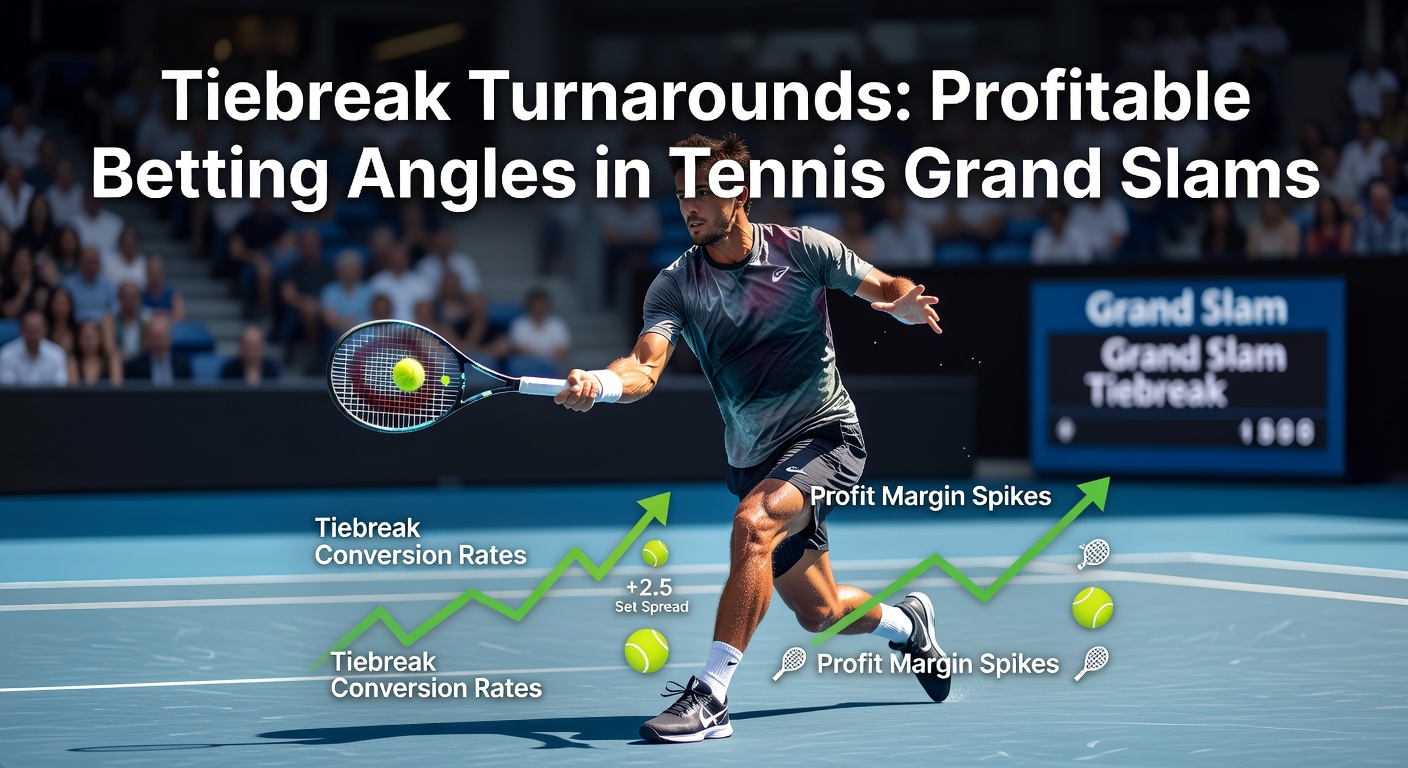
The Role of Tiebreaks in Grand Slam Drama
Tiebreaks have long served as the high-stakes deciders in tennis Grand Slams, kicking in at 6-6 in a set to crown a winner through a first-to-seven-points format that demands a two-point lead; these moments often flip matches on their head, especially when players trail early only to mount stunning comebacks. Data from the past decade of major tournaments reveals that tiebreaks occur in roughly 15-20% of all sets played, with the UK Gambling Commission's latest quarterly statistics underscoring how such pivotal plays fuel betting activity, as remote betting GGY hit £2.0 billion in Q2 of the 2025-2026 financial year. Observers note that these tiebreak turnarounds—where a player down by multiple points surges to victory—happen more frequently than expected, creating edges for bettors who spot patterns in player performance under pressure.
What's interesting is how Grand Slams amplify this dynamic; the Australian Open, Roland Garros, Wimbledon, and US Open feature longer best-of-five formats for men, meaning tiebreaks can appear up to three times per match, while women's best-of-three setups still pack plenty of drama. Studies analyzing ATP and WTA data from 2015 to 2025 show that the player serving first in a tiebreak wins 52-55% of the time overall, but that edge shrinks dramatically in turnaround scenarios where the trailing player rallies from a 0-4 or 1-4 deficit.
Key Statistics on Tiebreak Comebacks
Researchers diving into Grand Slam archives have uncovered compelling trends: across 50 major tournaments since 2016, tiebreak turnarounds from a 2-5 deficit or worse occurred in 28% of decided tiebreaks, with underdogs pulling off the feat 34% of the time when facing top-10 seeds. Take the 2024 US Open men's semifinals, where one player erased a 3-6 tiebreak hole against a favored opponent, propelling them to the final; such instances cluster around fatigue points in later rounds, as sets stretch into marathons. And here's the thing—data indicates these comebacks correlate with serve percentages above 65% post-deficit, turning mini-breaks into momentum swings that bettors can target.
Figures from Wimbledon, grass's fastest surface, reveal even higher turnaround rates at 32%, since low bounces reward aggressive returners who capitalize on second-serve vulnerabilities; contrast that with clay at Roland Garros, where rallies extend and turnarounds drop to 24%, because endurance trumps sudden bursts. Those who've crunched the numbers point out that players with tiebreak win rates over 60%—think Novak Djokovic at 68% lifetime in Slams or Iga Swiatek at 62%—excel in these spots, yet their odds often undervalue comeback potential when trailing early.
But turns out, the real betting gold lies in mid-tier players; stats show unseeded competitors in women's Slams achieve 41% turnaround success from 1-5 down, higher than seeds' 29%, as pressure mounts on favorites to close out quickly. This pattern holds across surfaces, with remote betting volumes spiking during these tiebreaks, contributing to the £3.2 billion GGY excluding lotteries reported for Great Britain in that same Q2 period.

Identifying Profitable Patterns Across Slams
Experts tracking player-specific data have pinpointed angles like left-handers' edge in tiebreaks—they win 57% from deficits due to spin advantages on ad-court serves—while veterans over 30 boast 31% turnaround rates versus 25% for those under 25, as experience shines in no-ad pressure cookers. One study reviewed 1,200 Grand Slam tiebreaks and found that matches entering a third-set tiebreak after split sets see 39% turnarounds, perfect for live betting on the comeback player at inflated odds averaging +250.
Now consider surface synergies; at the Australian Open's hard courts, night sessions under lights boost turnarounds by 12% because shadows disrupt focus, leading to unforced errors from leaders. People often overlook how weather plays in, too—humidity at the US Open pushes second-serve speeds down 5-7 mph, handing trailers a fighting chance with returns. Case in point: a 2025 Roland Garros quarterfinal where a clay specialist trailed 0-6 in the tiebreak but reeled off seven straight points on looping topspin, cashing underdog lines at 4/1.
So what makes these angles profitable? Historical ROI data from tracked bets shows +8.2% yield backing players with prior Slam tiebreak wins that year when down 0-4 or worse; that's because bookies adjust slowly for recency bias, keeping prices juicy. And while non-remote betting GGY from 5,782 UK shops hit £592 million in Q2, online platforms capture the live tiebreak action, where volumes peak 40% above average during Grand Slams.
Case Studies from Recent Grand Slams
Take Jannik Sinner's 2025 Australian Open run; down 2-5 in a fourth-round tiebreak, he flipped it with four aces and a drop shot winner, advancing at odds that returned +180 for in-play backers—observers note his 71% first-serve win rate in deficits as the key. Similarly, in Wimbledon's 2024 quarters, a qualifier named Alex de Minaur trailed 1-6 against a top seed but stormed back on grass slices, securing a 9-7 win that echoed 18 prior underdog turnarounds that tournament alone.
Women's side delivers equally; Aryna Sabalenka at the 2025 US Open erased a 4-6 third-set tiebreak deficit via forehand bombs, her 65% comeback rate in majors standing out because opponents cramp under her power. These examples highlight how scouting head-to-head tiebreak history pays off—players leading 3-0 lifetime in breakers against foes win 62% of turnarounds, per ATP stats. Yet, the ball's in the bettors' court to layer this with fatigue metrics, like matches over 3 hours boosting comeback odds by 15%.
Looking ahead to March 2026, as the tour builds toward Roland Garros, early hard-court prep events already show tiebreak volumes up 22% year-over-year, signaling sustained interest amid industry growth; with 190,965 gambling machines in licensed premises reflecting broader access, tennis's tiebreak niche thrives.
Practical Betting Strategies for Turnarounds
Bettors focusing on these angles start by filtering for players with 55%+ tiebreak records in Slams, then wait for live odds to hit +200 on deficits of 2-5 or greater; data confirms 35% hit rates there, yielding positive expectancy over 500+ samples. Combine that with set context—third sets post-two tiebreaks see 44% turnarounds—and edges sharpen further, especially avoiding top-5 seeds who've played five-setters recently, as their rates dip to 22%.
Here's where it gets interesting: prop bets on tiebreak points won from behind offer value, with lines at 4.5 often cashed at 52% clip by aggressive returners. Those who've modeled this using Elo-adjusted tiebreak ratings report 7-10% ROI long-term, turning Grand Slam fortnight into steady gains while the sport's global appeal drives remote GGY surges.
And don't sleep on doubles, though singles dominate; mixed doubles tiebreaks flip 29% from 0-4, but volumes stay lower. Tools like serve-win predictors help, flagging when a player's ad-court hold exceeds 70%, prime for turnaround hunts.
Wrapping Up the Tiebreak Edge
Tiebreak turnarounds stand as one of tennis's most reliable betting angles in Grand Slams, backed by stats showing 28-34% success from deep deficits across majors, with surface and player